
Lithium batteries feature high energy density. During transportation, incidents such as short circuits, physical damage, or overheating may lead to fire or explosion.
Therefore, the International Maritime Organization (IMO) classifies lithium batteries as Class 9 – Miscellaneous Dangerous Goods under the IMDG Code (International Maritime Dangerous Goods Code), with specific requirements covering packaging, testing, marking, labeling, and declaration.
To ensure maritime safety and smooth shipment execution, our company has established the following lithium battery ocean freight handling procedures in accordance with the IMDG Code, UN Recommendations, and major carriers’ requirements.
II. Classification of Lithium Batteries for Ocean Transport
According to the IMDG Code, lithium batteries are classified as follows:
1. Lithium Ion Batteries
→UN3480: Lithium ion batteries (battery only)
→UN3481:
Lithium ion batteries contained in equipment
Lithium ion batteries packed with equipment
2. Lithium Metal Batteries
→UN3090: Lithium metal batteries (battery only)
→UN3091:
Lithium metal batteries contained in equipment
Lithium metal batteries packed with equipment
- Even when lithium batteries are installed inside equipment, they are still classified as dangerous goods and must be properly declared.
STEP 1|Cargo Attribute Confirmation (Booking Stage)
Prior to booking, the shipper must confirm whether the cargo:
→Contains batteries
→Contains lithium batteries
→Has batteries installed in equipment
If the cargo information is unclear, it will be assessed as lithium battery risk cargo by default.
STEP 2|Determination of Lithium Battery Type and UN Number
Based on the actual shipment configuration, our company will determine the applicable UN number and proper shipping name, and submit the required dangerous goods declaration to the carrier.
Cargo must not be shipped as general cargo prior to confirmation.
STEP 3|Required Tests and Technical Documents
To comply with international regulations, lithium battery shipments must provide the following documents:
→UN38.3 Test Summary
(Demonstrating compliance with international battery safety tests)
→MSDS (Material Safety Data Sheet)
→Dangerous Goods Declaration (DGD)
→Packaging Drop Test Report
- Unless a written exemption is granted by the carrier, packaging drop test reports are considered mandatory in practice.
All lithium battery packaging must meet the following criteria:
→Drop testing must be conducted using the actual outer packaging for shipment
→Drop test height: 1.2 meters
→Test orientations: corner, edge, and face
After testing, there must be no:
→Outer package breakage
→Battery exposure
→Risk of short circuit
- The packaging structure and specifications must be fully consistent with the actual shipment.
The outer package must be properly affixed with:
→Class 9 Lithium Battery Hazard Label
→Lithium Battery Mark, including:
→UN number
→Emergency contact telephone number
- Shipments with incorrect or missing markings may be rejected by the carrier.
Our company will submit all required DG documents to the carrier for review in accordance with carrier regulations.
Freight rates and space confirmation cannot be obtained until official carrier approval is granted.
STEP 7|Container Stuffing and Shipment Control
Avoid excessive pressure, impact, and high-temperature exposure during container stuffing
Provide container stuffing declarations if required by the carrier
Shipments will be handled under full dangerous goods control throughout transportation
IV. Lithium Battery Cargo Not Accepted
To ensure maritime safety, we are unable to accept the following cargo:
→Lithium batteries that have not passed UN38.3 testing
→Cargo without a valid drop test report and no written exemption
→Damaged, swollen, recycled, or second-hand lithium batteries
→Shipments intentionally mis-declared as general cargo
V. Validity of Related Documents
MSDS: Valid within three (3) years
UN38.3 Test Summary and Packaging Drop Test Report:
International regulations do not specify a fixed validity period.
However, their validity depends on whether the battery design, specifications, and packaging configuration remain unchanged.
If any product or packaging modification occurs, the original documents become invalid and updated documents must be provided.
VI. Why Choose a Professional Lithium Battery Ocean Freight Forwarder?
Lithium battery ocean transportation involves more than booking and shipping. It requires:
→Compliance with international regulations
→Carrier risk management requirements
→Responsibility for maritime safety
→Through rigorous pre-shipment review and standardized operating procedures, risks such as delays, penalties, and cargo rejection can be effectively minimized, ensuring safe and timely delivery.
VII. Contact Us
If your shipment involves lithium batteries, please contact our professional team prior to booking.
We will assist you with a comprehensive assessment and ensure compliant and secure shipment arrangements.

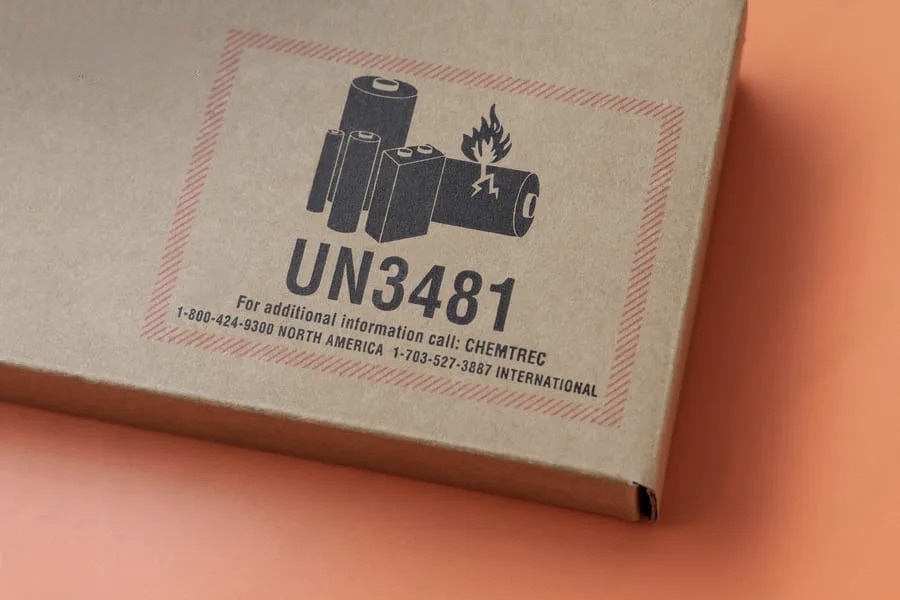
photo from website